
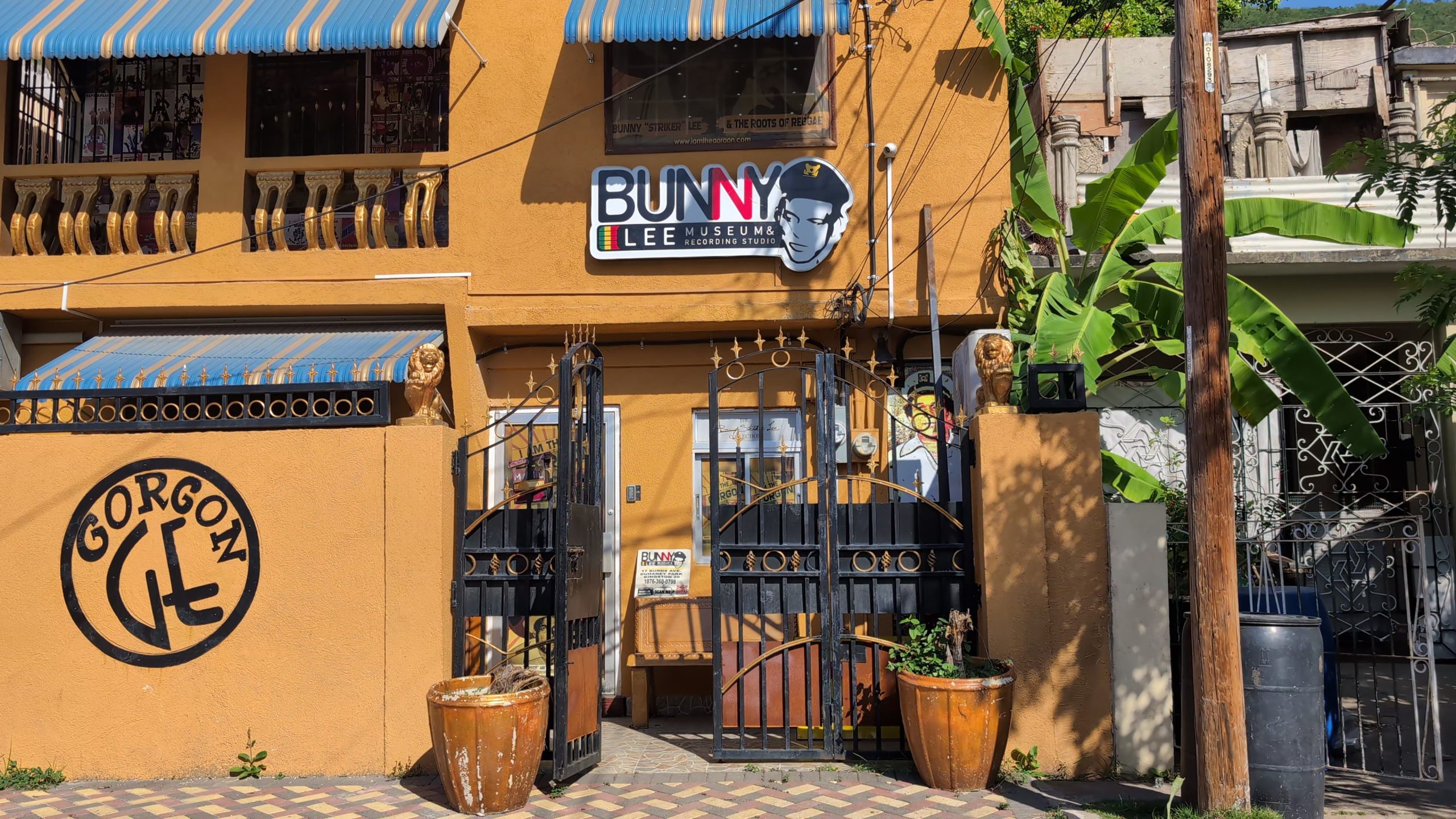
There is a house on a regular Kingston street that changed the sound of the entire world — and almost nobody knows it exists. I am talking about the Bunny Lee Museum, and before I walked through that gate on Burns Avenue, I had zero idea who Bunny Lee was. Zero. And I live here! That alone told me this was going to be one of those visits that flips everything you thought you knew. I was right — in the best possible way.
So if you are planning a trip to Kingston, or you are a local who thinks they have seen it all, keep reading. Because the Bunny Lee Museum at 17 Burns Avenue is one of the most important music history sites in the entire Caribbean — sitting quietly on a normal-looking street, just waiting for you to find it.
Who Was Bunny “Striker” Lee?
Edward O’Sullivan Lee — better known as Bunny “Striker” Lee — was the number one reggae producer in Jamaica every single year for an entire decade. Not once. Not twice. A full decade, from 1967 to 1976. Consistently. At the top. Of his game.
One of his most famous productions is “Cherry Oh Baby,” originally recorded by Eric Donaldson. Bunny Lee produced it alongside Tommy Cowan, and that song has been covered more than thirty times — by artists like UB40 and the Rolling Stones. Yes, that Rolling Stones. A song born right here in Kingston, produced by a man most people have never heard of, covered by one of the biggest rock bands on the planet. Let that sink in for a second.
But here is the part of his story that really got me. Back in the 1960s and ’70s, reggae was exploding in Jamaica — but the rest of the world had absolutely no idea it existed. Bunny Lee decided that was unacceptable. He and his team packed records into a bag, boarded a plane to England, and started promoting Jamaican music there. When that worked, he did the same thing in Canada. Then the United States. He did not wait for the world to discover reggae. He brought reggae to the world.
What to Expect When You Visit
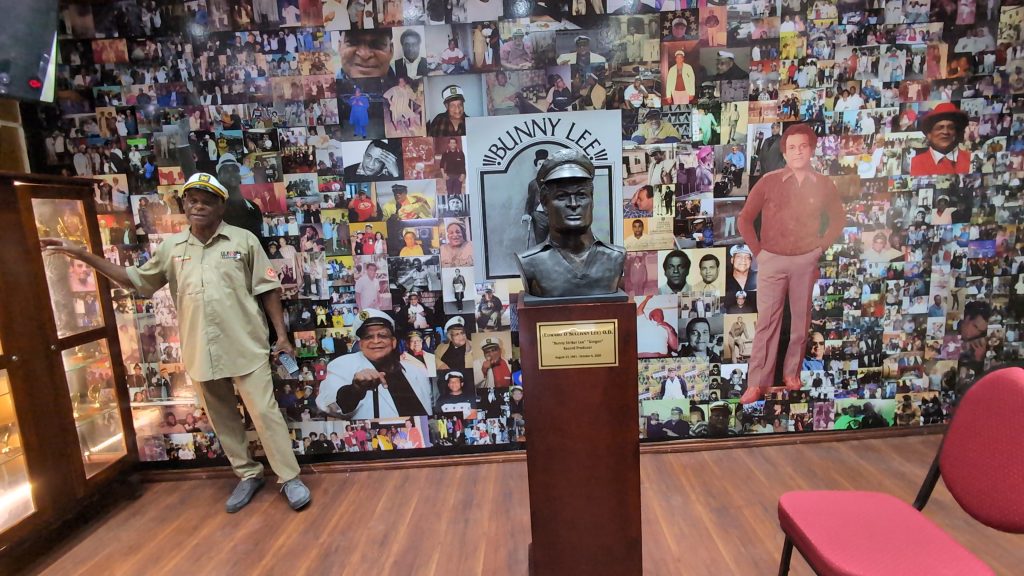
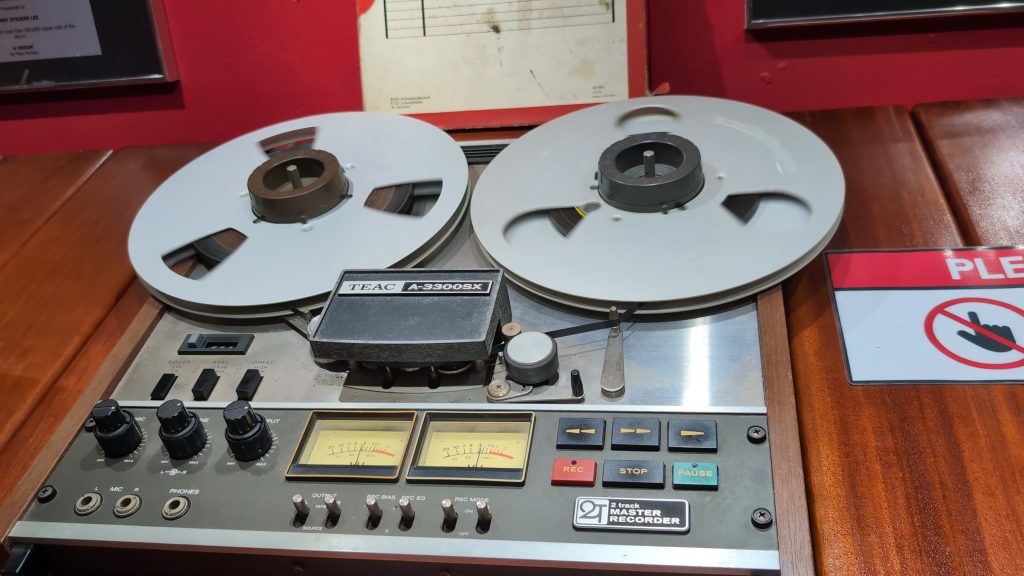
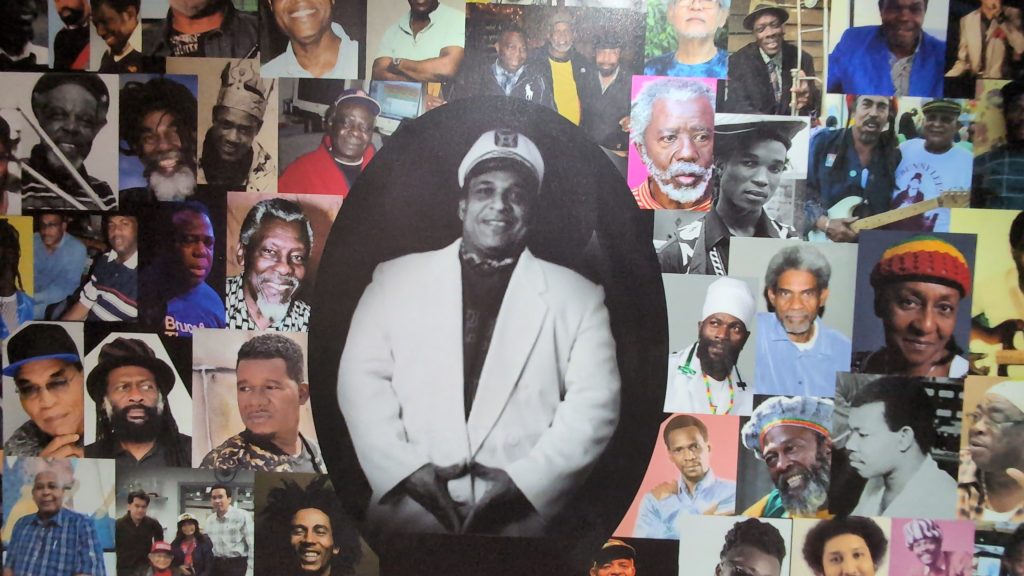
Walking through this museum feels less like a typical museum visit and more like stepping directly into that golden era of Jamaican music. This was Bunny Lee’s actual home. You are literally moving through the same rooms where some of reggae’s greatest moments took shape. Every corner holds something — original records, photographs, equipment, and memorabilia from the legendary artists he worked with. It is personal and preserved in a way that a big, glossy commercial museum simply cannot replicate.
Fun Fact
The museum is a working recording studio to this day. Koffee recorded her breakthrough single “Rapture” right here — meaning the same walls that witnessed the birth of reggae’s international reach are still producing chart-topping hits. History and the future, sharing the same roof.
I stood in that space and thought about how much of Jamaica’s cultural greatness exists in places just like this — quiet, unassuming, tucked away on a regular street — and how easy it would be to miss if nobody pointed you toward it. That is exactly why we do this.
Why This Belongs on Your Kingston Itinerary
The Bunny Lee Museum is not on most tourists’ radar. It is not in the standard guidebooks. But it absolutely belongs on any serious Kingston cultural itinerary, right alongside the Bob Marley Museum and Devon House. If you want to understand how reggae — Jamaica’s greatest cultural export — actually reached the rest of the world, you need to know Bunny Lee’s story. And there is no better place to know it than standing in the house where it all happened.
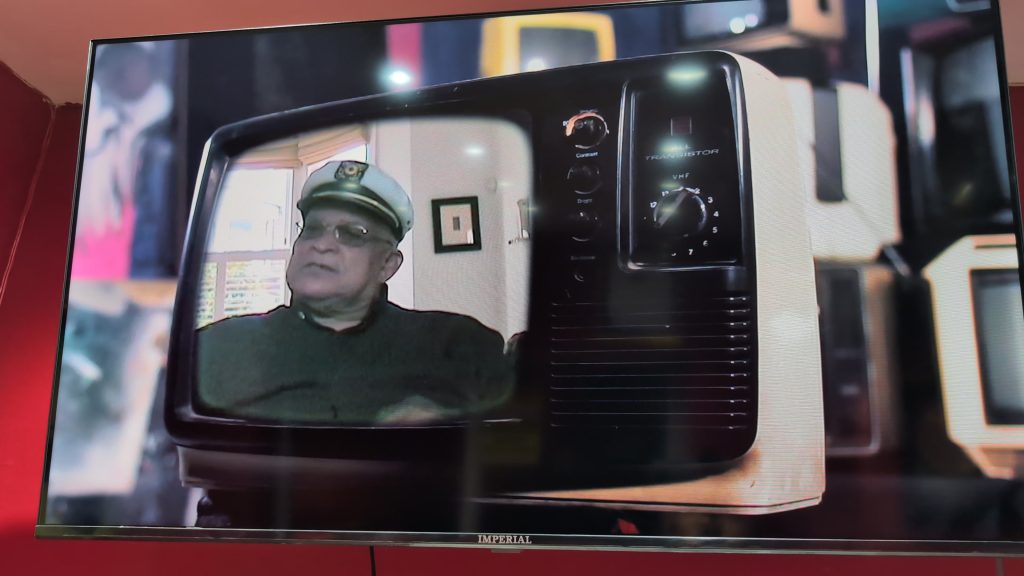
Reggae did not accidentally reach the world. Someone carried it there. Someone believed in it enough to get on a plane with a bag full of records and refuse to give up until the world listened. That someone was Bunny “Striker” Lee. And his museum, his story, and his legacy are sitting right there on Burns Avenue, waiting for you.
When you get there, stand still for just a second — because you will be standing on the ground where the whole world changed its playlist.
📍 Address: 17 Burns Avenue, Kingston, Jamaica
🌐 Website: bunnyleemuseum.com
📸 Instagram: @bunnyleemuseum